
How to Cure Heel Pain Naturally
How to Cure Heel Pain Naturally
Medical disclaimer: This article is for informational purposes only and isn’t a substitute for professional medical advice, diagnosis, or treatment. Always talk to a podiatrist or foot and ankle specialist about your specific symptoms.
Heel pain has a way of showing up quietly and then taking over your whole day. Maybe it’s a dull ache by evening, or maybe it’s that sharp jab the second your foot hits the floor in the morning. Either way, you’re probably here because you’d rather fix it without a boot, an injection, or surgery — and the good news is, most heel pain responds really well to natural, at-home treatment if you’re consistent about it.
Let’s walk through what’s actually causing it and what works to calm it down for good.
What’s Actually Causing Your Heel Pain
Heel pain almost always comes down to one of a few usual suspects:
- Plantar fasciitis — inflammation of the thick band of tissue running from your heel to your toes. This is the most common cause by far, especially if the pain is worst with your first steps in the morning.
- Achilles tendinitis — irritation where your calf muscle connects to your heel, often from overuse or tight calves.
- Heel spurs — a bony growth that can form alongside long-term plantar fasciitis. Usually not painful on its own, but it’s often found alongside the inflammation that is.
- Overuse or poor footwear — a lot of heel pain is simply your feet asking for more support than they’re currently getting, whether that’s from standing all day, running in worn-out shoes, or going barefoot on hard floors more than your feet are used to.
Natural Ways to Treat Heel Pain
1. Rest, but don’t fully stop moving
Total rest can actually let things stiffen up. Instead, cut back on high-impact activity (running, jumping) and swap in gentler movement like walking or swimming while things heal.
2. Ice it
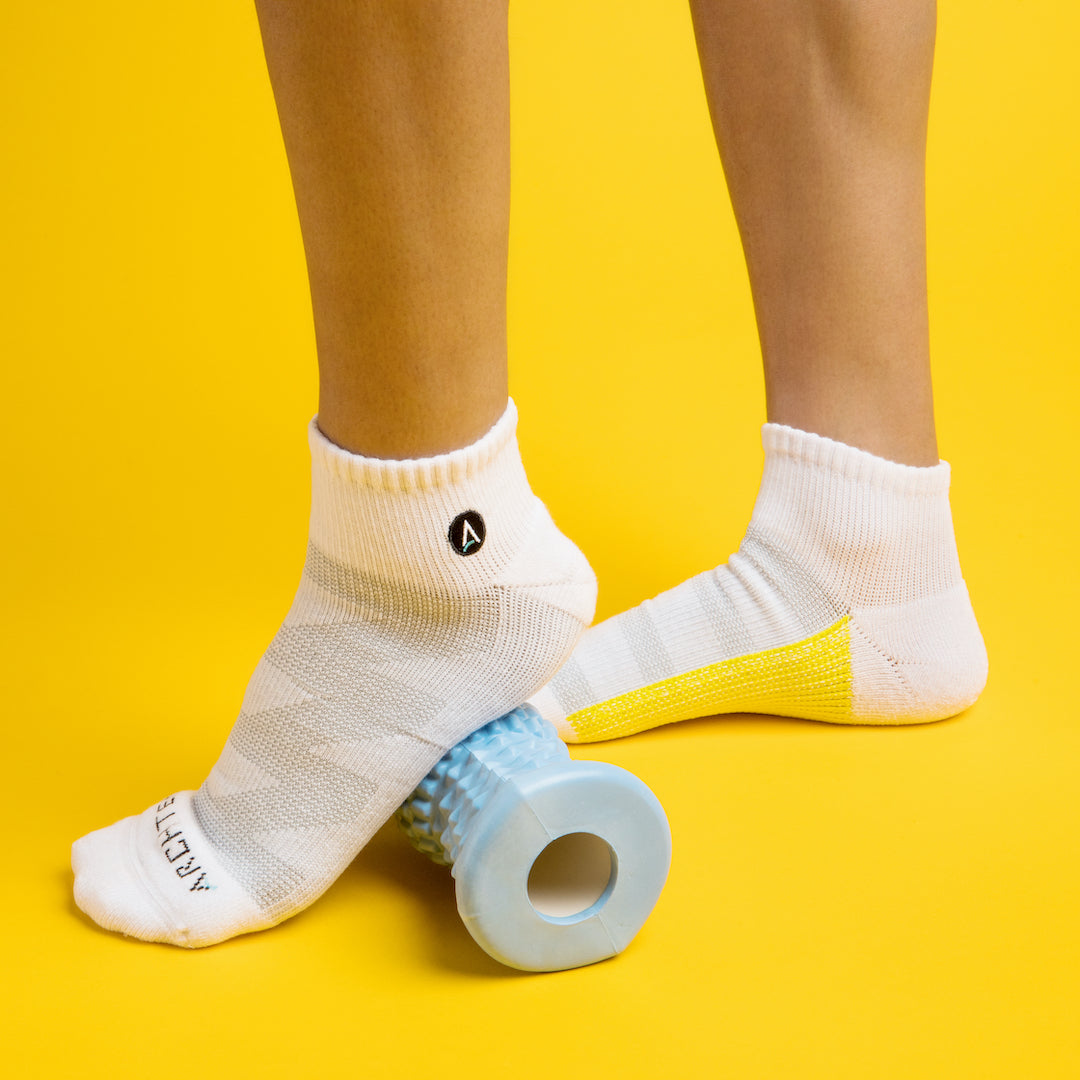
10-15 minutes of ice, a few times a day, especially after you’ve been on your feet, helps bring inflammation down. A frozen water bottle rolled under your foot does double duty — cold plus a gentle massage.
3. Stretch consistently
This is genuinely one of the most effective natural treatments there is. Calf stretches, towel stretches, and rolling your arch over a ball all target the tissue that’s actually inflamed. If you haven’t already, these plantar fasciitis exercises walk through the full routine step by step — that’s the single best thing you can add to your day if heel pain is your main issue.
4. Support your arch, all day, not just during exercises
Stretching fixes things for the ten minutes you’re doing it. What you wear the other 23 hours matters just as much, especially if you’re on your feet a lot for work. Arch support, cushioning, and compression all reduce the repeated strain that keeps re-irritating the tissue.
5. Watch your footwear
Old, worn-out shoes lose their cushioning long before they look worn out. If your shoes are more than 6-8 months old and you’re active in them regularly, that alone could be feeding the problem.
6. Anti-inflammatory basics
Over-the-counter anti-inflammatories, elevation, and staying hydrated all support your body’s natural healing process. As always, check with a doctor before starting any medication, especially if you take other prescriptions.
7. Epsom salt soaks
Not medically proven to reduce inflammation directly, but a lot of people find the warm soak itself genuinely relaxes tight, overworked feet — and relaxed muscles mean less pulling on the plantar fascia.
How Long Does It Take to Heal Naturally?
Most mild to moderate heel pain improves within a few weeks of consistent stretching, icing, and better support. More stubborn cases can take a couple of months. The biggest factor isn’t the severity of the pain — it’s consistency. Skipping stretches for a few days and then doing them hard for one session tends to backfire; steady, daily effort works far better than intensity. For the full week-by-week breakdown, here’s what a typical plantar fasciitis recovery timeline actually looks like.
When Natural Treatment Isn’t Enough
If your heel pain is severe, doesn’t improve after 4-6 weeks of consistent home treatment, or comes with swelling, redness, or numbness, it’s time to see a podiatrist or foot and ankle specialist. Natural treatment handles the majority of cases, but it’s not a substitute for a real diagnosis when something more is going on.
Frequently Asked Questions
Can heel pain go away on its own?
Mild cases sometimes ease up without treatment, but consistent stretching and support speed things up considerably and lower the odds of it becoming chronic.
Is heel pain worse with rest or activity?
For plantar fasciitis specifically, it’s usually worse after rest — especially first thing in the morning or after sitting for a while — since the tissue tightens when it isn’t bearing weight. See why mornings are the worst for the full explanation.
What’s the fastest natural remedy for heel pain?
Morning stretching combined with ice and reduced high-impact activity brings the quickest relief. There’s no single fix, but that combination addresses the problem from multiple angles at once.
Should I see a doctor for heel pain?
If it’s severe, doesn’t improve within 4-6 weeks, or comes with swelling, redness, or numbness, yes. Otherwise, consistent home treatment is a reasonable first step.
Healing Naturally Still Needs Something to Lean On
Every treatment on this list works because it reduces strain on tissue that’s trying to repair itself. Ice reduces it temporarily. Rest reduces it by avoiding aggravation. But the moment you’re back on your feet at work or running errands, that strain comes right back — unless something’s actively taking some of the load off.
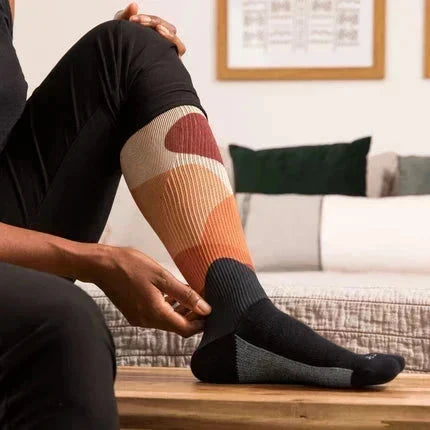
That’s the actual job ArchTek does. Dr. Bob Baravarian built the arch compression around a simple idea from 25-plus years of treating this exact injury: healing goes faster when the tissue isn’t being re-strained every time someone stands up. So the compression supports your arch structurally, the Energy Return System takes some of the impact your heel would otherwise absorb on its own, and the whole thing is seamless and moisture-wicking so there’s no added friction slowing anything down.
Natural recovery plus a sock that quietly does its job in the background all day — that combination is what actually gets people out of heel pain for good, rather than just managing it. Curious how it compares to a basic arch sleeve, or want the specifics on plantar fasciitis? Both are worth a look.
References - Mayo Clinic Health System — Heel pain might be plantar fasciitis